Want a faster, more private Android phone? Disabling unused apps can help, but it's more complex than simply uninstalling them. This guide provides safe and effective methods to manage your Android applications, weighing risks and benefits for each approach.
Rooting: Understanding the Risks
Many advanced app disabling techniques require "rooting" your Android device—gaining administrator-level access. While rooting offers extensive control, it significantly compromises security. Removing built-in security features increases vulnerability to malware and may void your warranty. Think of it like disabling your car's safety features for better performance—the potential risks far outweigh the benefits for most users. Is the extra control worth the potential security compromise and loss of warranty? For the average user, the answer is almost certainly no.
Root-Based App Disabling: A Strongly Discouraged Approach
Some apps claim to disable apps with root access. However, many are unreliable, outdated, or even malicious. Before using any such app, conduct thorough research. Only download from trusted sources and examine user reviews carefully. Given the inherent risks, this approach is strongly discouraged. Stick to safer, non-root methods whenever possible.
Safer Alternatives: Non-Root App Management
Fortunately, Android offers safer alternatives that don't require rooting:
1. AppOps: Android's Built-in Permission Manager
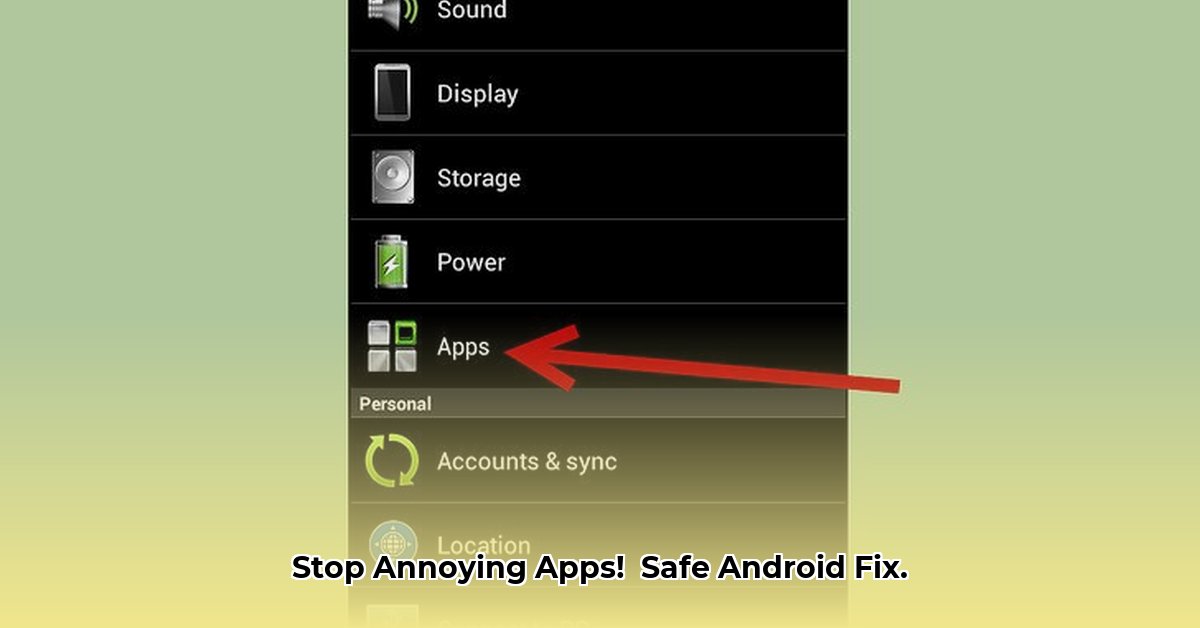
Android's AppOps framework allows managing app permissions without rooting. You can't fully disable an app, but you can significantly restrict its functionality by limiting its access to various resources. This is a built-in Android feature, making it a safe and reliable option. You'll typically find AppOps settings within System Settings, often under "Apps" or a similar section. Experiment carefully to observe the effects of restricting different permissions.
2. Third-Party App Managers: Proceed with Caution
Several third-party apps offer advanced app management features without root access. However, exercise extreme caution. Thoroughly research any app before installation. Check user reviews and look for independent security analyses. A malicious or poorly-coded app can introduce more problems than it solves. Prioritize well-known and highly-rated apps from trusted app stores.
Security Considerations: Protecting Your Device
Disabling system apps (pre-installed apps) is particularly risky. These apps often manage essential system functions. Disabling the wrong one could render your device unusable ("bricking"). Always carefully research an app before attempting to disable it. When in doubt, leave the app untouched. Even with thorough research, proceed cautiously, as unintended consequences are possible. A malfunctioning system is a far greater security risk than a few pre-installed apps.
Comparing Your Options: A Risk-Reward Analysis
The best approach depends on your risk tolerance and the specific app. Consider the alternatives first: clearing app cache, restarting your phone, or updating the app. Disabling should be a last resort.
| Feature | Root-Based Methods | Non-Root Methods |
|---|---|---|
| Control Level | Complete disable; high granularity | Limited control; permission management only |
| Security Risk | Very High | Low |
| Warranty Impact | Almost certainly voided | No impact |
| Complexity | High | Low |
| Reliability | Often unreliable; many are unsupported | Highly reliable; built into Android |
How to Safely Disable Android Apps Without Root Access: Using ADB
This method utilizes the Android Debug Bridge (ADB), a command-line tool allowing interaction with Android devices. It's safer than rooting, but requires some technical familiarity.
Step-by-Step Instructions:
Enable Developer Options: Navigate to Settings > About phone and tap "Build number" seven times to unlock developer options.
Enable USB Debugging: Go to Settings > Developer options and enable USB debugging.
Install ADB: Download the Android SDK Platform-Tools from the official Android developer website and extract them to a convenient location on your computer.
Identify the Package Name: Use an app info tool (available on the Google Play Store) to find the app's package name (e.g.,
com.example.app).Disable the App (using the command line): Open your terminal or command prompt, navigate to the extracted Platform-Tools folder, and run:
bash
adb shell pm disable-user --user 0 <package_name>
Replace <package_name> with the app's actual package name. The --user 0 flag targets your primary user profile.
- Verification: Check your app drawer; the disabled app should no longer appear.
Re-enabling a Disabled App: Use this command, replacing <package_name>:
adb shell pm enable <package_name>
Advantages and Disadvantages of Using adb shell pm disable-user
| Advantage | Disadvantage |
|---|---|
| Reversible; easily re-enable applications | Requires some technical knowledge (ADB usage) |
| Safe; doesn't require root access | May not work on all apps, depending on OEM restrictions |
| Maintains system stability | App might reappear after a system update |
Remember, disabling apps should be a last resort. Always prioritize safer alternatives and thoroughly understand the risks before proceeding. Consult reputable Android security blogs and forums for additional information and best practices.
⭐⭐⭐⭐☆ (4.8)
Download via Link 1
Download via Link 2
Last updated: Monday, May 05, 2025